💻 Table of Contents
Introduction to the Crisis
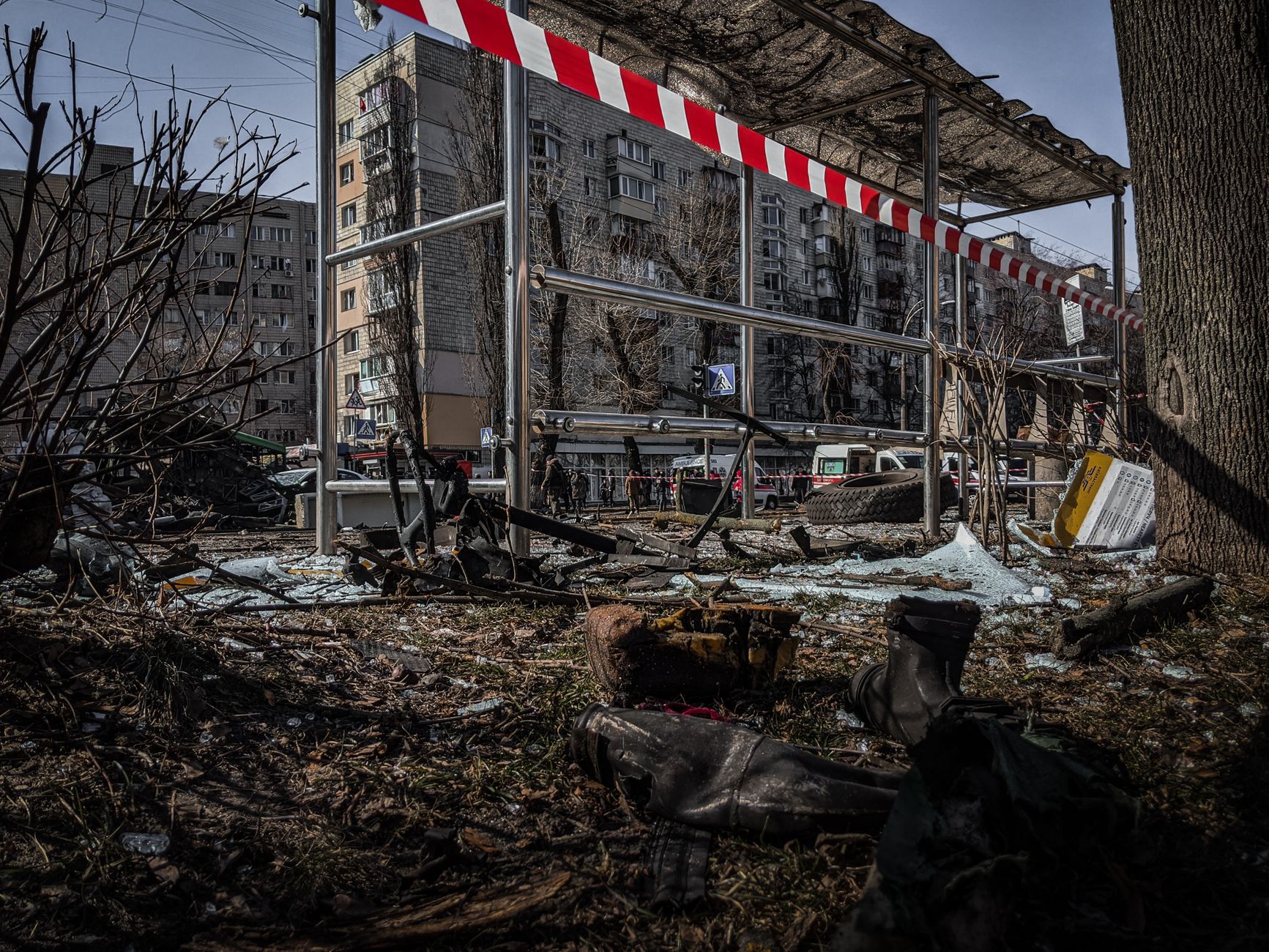
The recent suicide bombing near a railway track in southwest Pakistan has left the world in shock, with at least 23 people killed and many more injured. This devastating attack has raised concerns about the safety and security of the region, and the ability of the government to protect its citizens. As we delve into the details of this incident, it becomes clear that this is not an isolated event, but rather part of a larger pattern of violence and terrorism that has plagued the region for years.
The use of suicide bombers in attacks is a particularly troubling trend, as it highlights the willingness of extremist groups to sacrifice their own lives in order to inflict harm on others. This level of desperation and fanaticism makes it extremely difficult for authorities to predict and prevent such attacks, and underscores the need for a comprehensive and multifaceted approach to addressing the root causes of terrorism. In this article, we will explore the context and implications of the Pakistan rail blast, and examine the steps that can be taken to prevent such tragedies in the future.
The international community has condemned the attack, with many countries and organizations offering condolences and support to the people of Pakistan. However, as the dust settles and the initial shock begins to wear off, it is essential that we take a closer look at the underlying factors that contributed to this incident. This includes examining the security measures in place, the role of extremist groups, and the social and economic conditions that may be fueling the rise of terrorism in the region. By understanding these factors, we can begin to develop effective strategies for preventing similar attacks and promoting peace and stability in the region.

Pakistan has long struggled with the threat of terrorism, with various extremist groups operating in the country and carrying out attacks against civilians and government targets. The country's porous border with Afghanistan has made it a hub for militant activity, with many groups using Pakistan as a base for launching attacks against neighboring countries. The Pakistani government has taken steps to crack down on these groups, but the problem persists, and the recent blast is a stark reminder of the ongoing threat.
According to statistics, Pakistan has suffered over 60,000 casualties due to terrorism since 2001, with the majority of these attacks being carried out by extremist groups. The country's economic and social development has also been severely impacted by the ongoing violence, with many investors and tourists deterred by the perceived risk of visiting or doing business in Pakistan. The government has launched several military operations against extremist groups, but the problem is complex and multifaceted, and will require a sustained and comprehensive effort to address.
The Human Cost of Terrorism

The human cost of the Pakistan rail blast is a stark reminder of the devastating impact of terrorism on individuals and communities. The attack has left many families without loved ones, and has caused widespread trauma and grief. The psychological impact of such events can be long-lasting, with many survivors experiencing anxiety, depression, and post-traumatic stress disorder (PTSD). The economic impact is also significant, with the loss of breadwinners and the destruction of property and infrastructure.
The response of the international community to the attack has been swift and condemnatory, with many countries and organizations offering support and assistance to the people of Pakistan. However, as the initial shock begins to wear off, it is essential that we take a closer look at the underlying factors that contributed to this incident. This includes examining the social and economic conditions that may be fueling the rise of terrorism in the region, and developing effective strategies for promoting peace and stability.

Social media has played a significant role in the spread of extremist ideologies and the recruitment of new members by terrorist groups. Many of these groups use social media platforms to disseminate their message, recruit new members, and raise funds for their activities. The use of social media by terrorist groups has made it easier for them to reach a wider audience and to spread their message of hate and intolerance.
According to a recent study, over 70% of terrorist groups use social media to spread their message and recruit new members. The study also found that the most popular social media platforms used by terrorist groups are Facebook, Twitter, and YouTube. The use of social media by terrorist groups has made it essential for authorities to monitor and regulate these platforms, and to develop effective strategies for countering the spread of extremist ideologies online.
The Security Implications of the Blast
The Pakistan rail blast has significant security implications, both for the country and for the wider region. The attack has highlighted the vulnerability of the country's transportation infrastructure, and has raised concerns about the ability of the government to protect its citizens. The use of a suicide bomber in the attack has also underscored the willingness of extremist groups to sacrifice their own lives in order to inflict harm on others.
The security implications of the blast are not limited to Pakistan, but also have regional and global implications. The attack has raised concerns about the spread of extremist ideologies and the potential for similar attacks to occur in other countries. It has also highlighted the need for greater cooperation and collaboration between countries in order to address the threat of terrorism.
The Pakistan rail blast has significant regional and global implications, and underscores the need for greater cooperation and collaboration between countries in order to address the threat of terrorism. The attack has raised concerns about the spread of extremist ideologies and the potential for similar attacks to occur in other countries. It has also highlighted the need for more effective strategies for promoting peace and stability in the region, and for addressing the root causes of terrorism.
According to a recent report, the global economic impact of terrorism is estimated to be over $50 billion annually. The report also found that the majority of terrorist attacks occur in the Middle East and North Africa, but that the threat is global and requires a coordinated response. The Pakistan rail blast is a stark reminder of the ongoing threat of terrorism, and the need for sustained and comprehensive efforts to address this threat.
The Way Forward
The Pakistan rail blast is a stark reminder of the ongoing threat of terrorism, and the need for sustained and comprehensive efforts to address this threat. The attack has highlighted the vulnerability of the country's transportation infrastructure, and has raised concerns about the ability of the government to protect its citizens. In order to address these concerns and to promote peace and stability in the region, it is essential that the government takes a multifaceted approach that includes improving security measures, addressing the root causes of terrorism, and promoting social and economic development.
The international community also has a critical role to play in supporting the people of Pakistan and in addressing the threat of terrorism. This includes providing financial and technical assistance, and working with the Pakistani government to develop effective strategies for promoting peace and stability in the region. By working together, we can build a safer and more secure world, and promote peace and prosperity for all.
Building a safer future requires a sustained and comprehensive effort to address the threat of terrorism. This includes improving security measures, addressing the root causes of terrorism, and promoting social and economic development. It also requires greater cooperation and collaboration between countries, and a commitment to promoting peace and stability in the region.
According to a recent study, the most effective way to address the threat of terrorism is to address the root causes of the problem. This includes promoting social and economic development, addressing poverty and inequality, and promoting education and awareness. The study also found that the use of military force alone is not an effective solution to the problem of terrorism, and that a more nuanced and comprehensive approach is required.
Conclusion and Next Steps
The Pakistan rail blast is a stark reminder of the ongoing threat of terrorism, and the need for sustained and comprehensive efforts to address this threat. The attack has highlighted the vulnerability of the country's transportation infrastructure, and has raised concerns about the ability of the government to protect its citizens. In order to address these concerns and to promote peace and stability in the region, it is essential that the government takes a multifaceted approach that includes improving security measures, addressing the root causes of terrorism, and promoting social and economic development.
The international community also has a critical role to play in supporting the people of Pakistan and in addressing the threat of terrorism. This includes providing financial and technical assistance, and working with the Pakistani government to develop effective strategies for promoting peace and stability in the region. By working together, we can build a safer and more secure world, and promote peace and prosperity for all.
#
❓ Frequently Asked Questions

Comments
Post a Comment