
💻 Table of Contents
Introduction to the Crisis
The recent outbreak of Ebola in certain African countries has sparked a wave of concern globally, and the United States is no exception. As a precautionary measure, the U.S. government has decided to reroute flights from Ebola-affected countries to specific airports in Virginia, Texas, and Georgia. This move aims to enhance screening procedures for passengers and minimize the risk of the disease spreading. But what does this mean for travelers, and how effective will these measures be in preventing an Ebola outbreak in the U.S.?
The decision to reroute flights is a significant one, and it's essential to understand the reasoning behind it. The Centers for Disease Control and Prevention (CDC) has been working closely with airlines, airports, and other stakeholders to develop a comprehensive plan for handling passengers from Ebola-affected countries. The plan includes enhanced screening procedures, such as temperature checks and questionnaires, to identify potential Ebola cases. By funneling passengers through specific airports, the CDC can better manage the screening process and respond quickly in case of an emergency.
The impact of this decision on travelers will be significant, especially for those who have planned trips to or from the affected countries. Passengers will face additional screening procedures, which may cause delays and disruptions to their travel plans. However, it's crucial to remember that these measures are in place to protect public health, and travelers should be prepared to cooperate with airport authorities. The CDC has assured the public that the risk of Ebola transmission is low, but it's always better to err on the side of caution when dealing with a potentially deadly disease.
The economic implications of this decision should not be overlooked either. The tourism industry, in particular, may suffer as a result of the rerouting of flights. Airlines may need to adjust their routes and schedules, which could lead to increased costs and reduced revenue. Moreover, the stigma associated with Ebola could deter travelers from visiting the affected countries, resulting in significant economic losses. It's essential for governments and health organizations to balance the need for public safety with the need to support economic development in these countries.

To put the situation into perspective, let's look at some statistics. According to the World Health Organization (WHO), there have been over 3,000 reported cases of Ebola in the affected countries, with a mortality rate of around 50%. The CDC has reported a total of 11 Ebola cases in the U.S. since the outbreak began, with two deaths. While these numbers are relatively low, they highlight the importance of taking proactive measures to prevent the spread of the disease. In comparison, the SARS outbreak in 2003 had a significant impact on global air travel, with a reported 8,000 cases and 700 deaths worldwide. The U.S. government's decision to reroute flights is a precautionary measure to avoid a similar situation.
The Rerouting Process
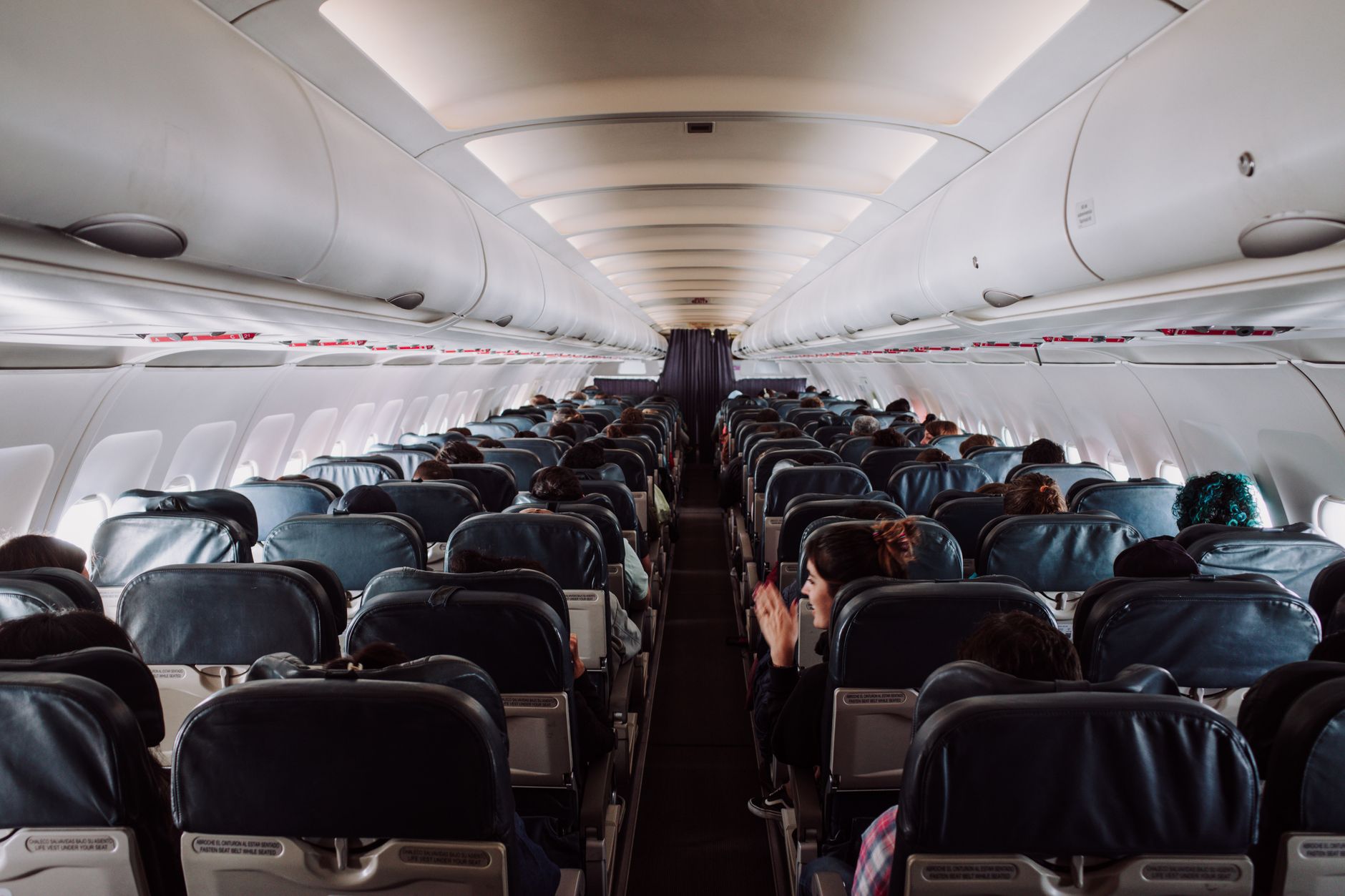
So, how will the rerouting of flights work in practice? The CDC has identified five airports that will serve as the primary entry points for passengers from Ebola-affected countries. These airports are:
Passengers from the affected countries will be required to go through enhanced screening procedures at these airports, which will include:
The CDC has assured the public that these measures will be implemented in a way that minimizes disruptions to air travel, while also ensuring the safety of passengers and airport staff.
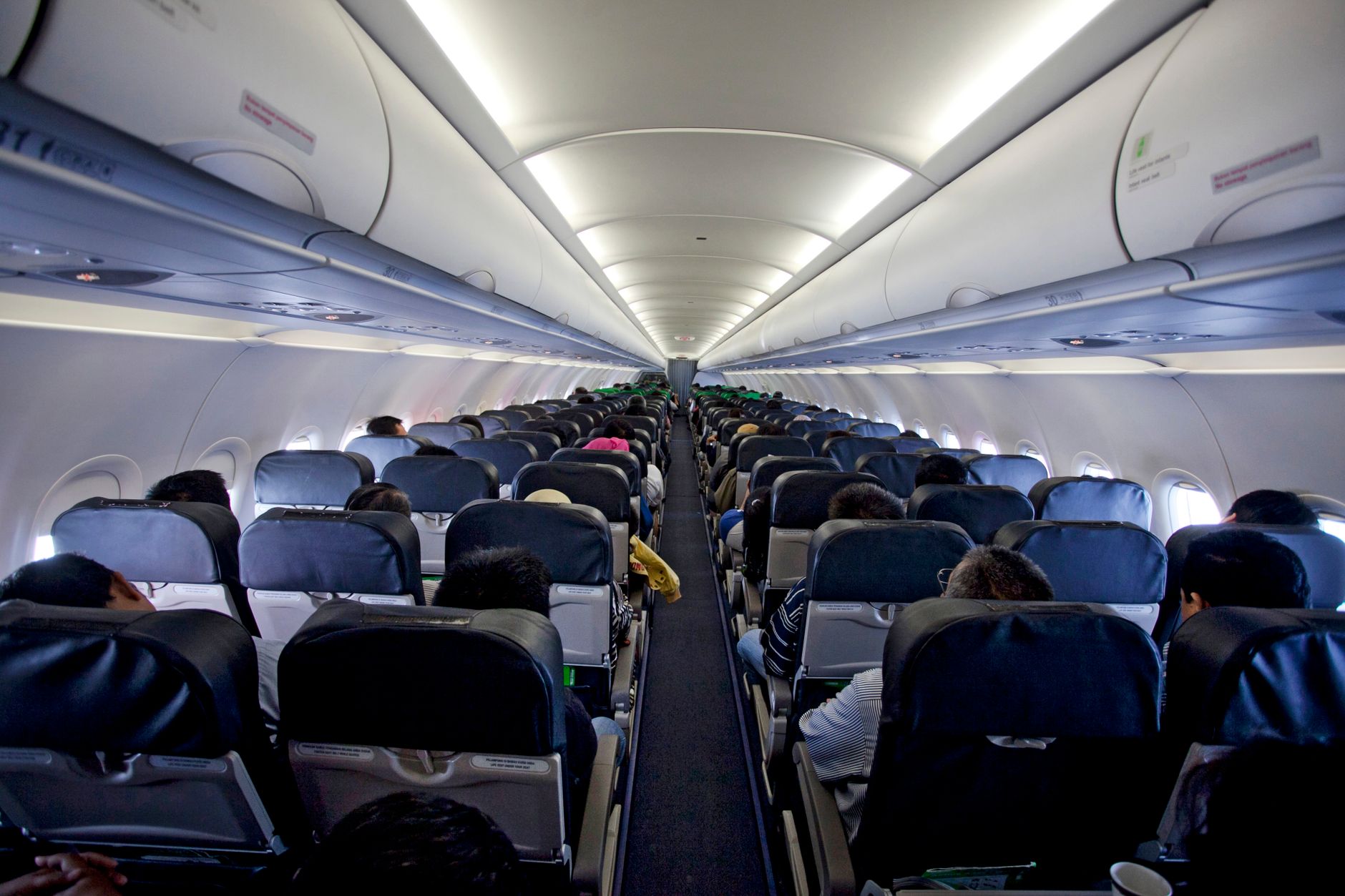
To illustrate the rerouting process, let's consider an example. Suppose a passenger is traveling from Liberia, one of the Ebola-affected countries, to the United States. Normally, they might fly into a airport such as Los Angeles International Airport (LAX) or Chicago O'Hare International Airport (ORD). However, under the new rules, they will be required to fly into one of the designated airports, such as Washington Dulles International Airport (IAD). From there, they will undergo enhanced screening procedures before being allowed to continue their journey.
The rerouting of flights will also affect airline operations. Airlines will need to adjust their schedules and routes to accommodate the new requirements, which may result in additional costs and reduced revenue. For instance, Delta Air Lines, which operates flights from Liberia to the U.S., will need to reroute its passengers to one of the designated airports. This may involve changing flight schedules, rebooking passengers, and adjusting crew assignments.
Airport Preparedness
The designated airports have been preparing for the influx of passengers from Ebola-affected countries. The airports have set up dedicated screening areas, where passengers will undergo enhanced screening procedures. These areas are equipped with thermal scanners, which can detect elevated body temperatures, and trained staff who can assess the risk of Ebola exposure.
The airports have also implemented additional safety measures, such as:
The CDC has worked closely with the airports to ensure that they are prepared to handle the rerouting of flights and the enhanced screening procedures. The airports have also been conducting drills and exercises to test their preparedness and response to potential Ebola cases.
While the airports have made significant preparations, there are still hidden challenges that need to be addressed. One of the main concerns is the potential for confusion and misinformation among passengers. The rerouting of flights and enhanced screening procedures may cause anxiety and uncertainty among travelers, which could lead to non-compliance with airport procedures. Additionally, the stigma associated with Ebola may lead to discrimination against passengers from affected countries, which could result in social and economic consequences.
To address these challenges, the CDC and airports need to communicate effectively with passengers and provide clear guidelines on the rerouting process and screening procedures. They also need to work with airlines and other stakeholders to ensure that passengers are informed and prepared for the changes.
Economic Implications
The rerouting of flights from Ebola-affected countries will have significant economic implications for the U.S. and the affected countries. The tourism industry, in particular, may suffer as a result of the rerouting of flights. Airlines may need to adjust their routes and schedules, which could lead to increased costs and reduced revenue. Moreover, the stigma associated with Ebola could deter travelers from visiting the affected countries, resulting in significant economic losses.
The economic implications of the rerouting of flights will also be felt by the affected countries. The reduction in air travel will reduce the flow of goods and services, which could lead to economic instability and poverty. The World Bank has estimated that the Ebola outbreak could result in a 2.3% reduction in GDP growth in the affected countries, which could have long-term consequences for economic development.
To balance the need for public safety with the need to support economic development, the U.S. government and international organizations need to work together to provide support to the affected countries. This could include providing financial assistance, technical expertise, and medical supplies to help combat the outbreak. The U.S. government could also work with airlines and airports to minimize the disruption to air travel and reduce the economic impact of the rerouting of flights.
The U.S. government has already taken steps to support the affected countries, including providing over $1 billion in funding to combat the Ebola outbreak. However, more needs to be done to address the economic implications of the outbreak and support economic development in the affected countries.
Conclusion and Next Steps
In conclusion, the rerouting of flights from Ebola-affected countries to specific airports in the U.S. is a precautionary measure to prevent the spread of the disease. While the decision may cause disruptions to air travel and have economic implications, it's essential to prioritize public safety. The CDC and airports have made significant preparations to handle the influx of passengers, and airlines are adjusting their operations to accommodate the new requirements.
As the situation continues to evolve, it's crucial to stay informed and adapt to changing circumstances. The U.S. government, airlines, airports, and international organizations need to work together to balance the need for public safety with the need to support economic development.
#
❓ Frequently Asked Questions

Comments
Post a Comment