📰 Table of Contents
The Devastating Blast
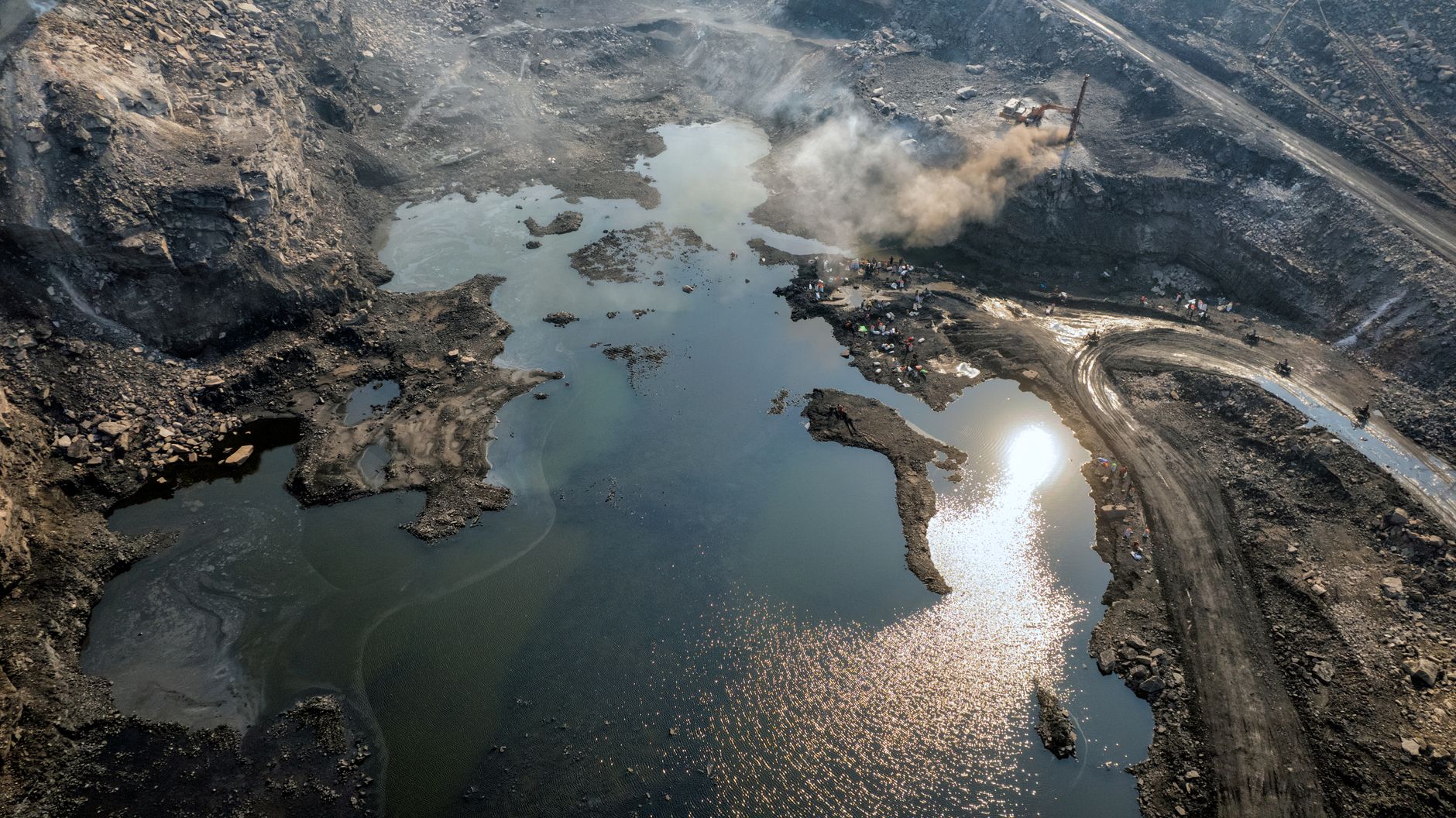
The recent coal mine explosion in China has left the nation reeling, as 90 lives were tragically lost in the deadliest blast since 2009. The incident occurred on February 21, 2023, at the Huayang Coal Mine in the city of Enshi, Hubei Province. The explosion is believed to have been caused by a buildup of gas in the mine, which ignited due to a spark from mining equipment.
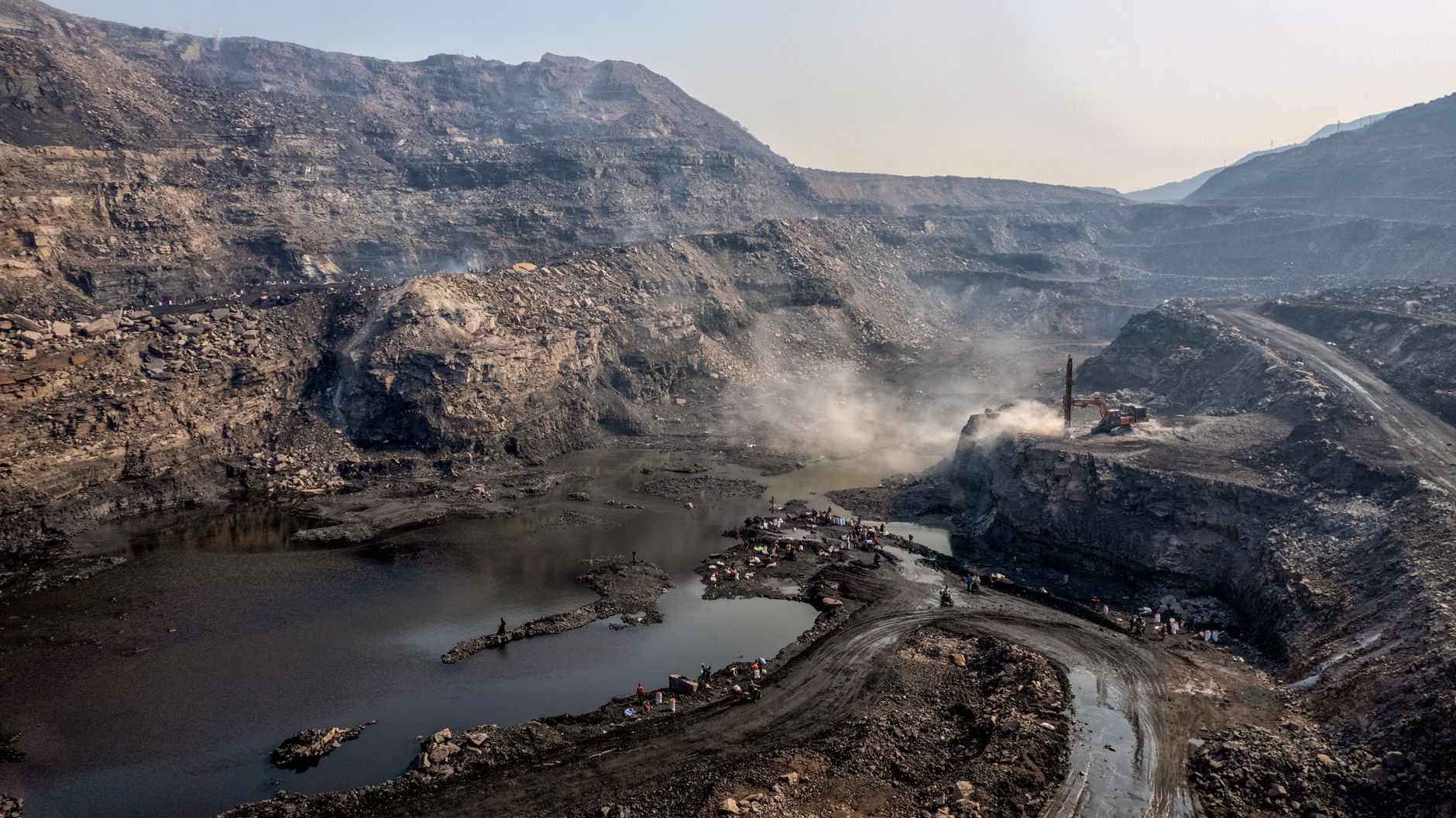
According to initial investigations, the mine's safety measures were inadequate, and the ventilation system was not functioning properly. The mine's owners, Huayang Coal Mine Co. Ltd., have been accused of neglecting safety protocols and prioritizing profits over human lives. This raises concerns over the lack of enforcement of safety regulations in China's mining industry.

China has a long history of coal mine accidents, with thousands of lives lost over the years. In 2009, a blast at the Wangzhuang Coal Mine in Shanxi Province killed 78 miners, marking one of the deadliest incidents in recent years. Since then, the Chinese government has implemented various measures to improve safety standards, but the frequency and severity of accidents suggest that more needs to be done.
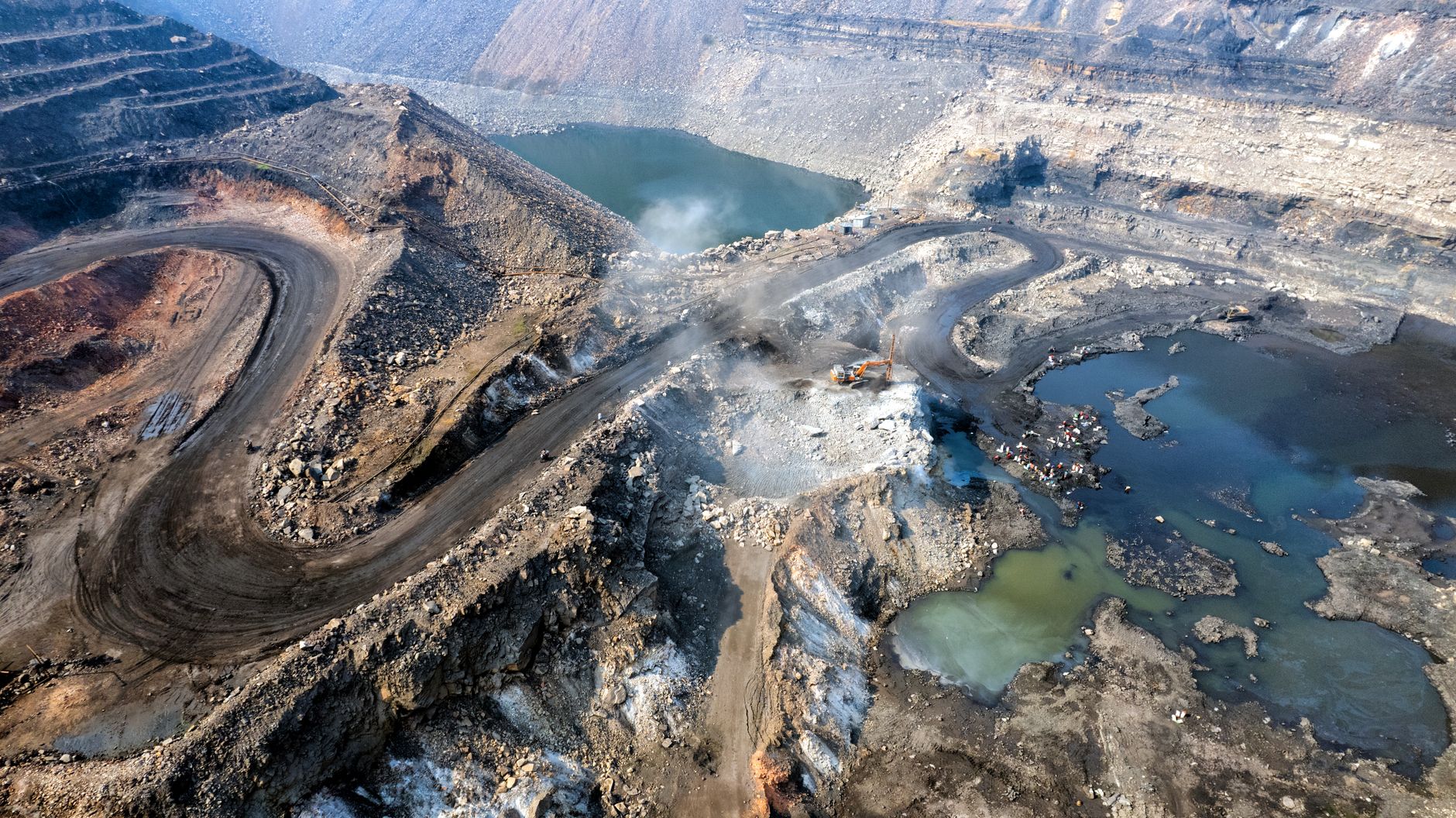
The Chinese government has promised to investigate the cause of the explosion and hold those responsible accountable. The Ministry of Emergency Management has sent a team to the site to oversee the rescue efforts and conduct a thorough investigation. However, many critics argue that the government's response has been inadequate, and that more needs to be done to address the systemic issues that lead to these tragedies.
Safety Concerns in China's Mining Industry
The China coal mine explosion has highlighted the safety concerns in the country's mining industry. Despite efforts to improve safety standards, the industry remains one of the deadliest in the world. According to official statistics, China accounted for over 50% of the world's coal mine deaths in 2020, with 375 miners killed in accidents.
One of the main concerns is the lack of enforcement of safety regulations. Many mines, especially smaller, privately-owned operations, often neglect safety protocols to cut costs and increase profits. The Chinese government has introduced stricter regulations and increased penalties for non-compliance, but more needs to be done to ensure that these regulations are enforced.
The Huayang Coal Mine explosion highlights the inadequate safety measures in place. The mine's ventilation system was not functioning properly, and the gas detection system failed to detect the buildup of gas. These failures are symptomatic of a broader problem in the industry, where safety measures are often seen as an afterthought.
The mining industry is under significant economic pressure, with coal prices fluctuating and demand decreasing. This has led to a focus on cost-cutting and efficiency, often at the expense of safety. The government needs to balance the economic needs of the industry with the need to protect human lives.
The Human Cost
The China coal mine explosion has had a devastating impact on the families of the miners who lost their lives. The incident has left many communities in shock, with families struggling to come to terms with the loss of loved ones.
The life of a miner is inherently hazardous, but it should not be a death sentence. Miners like Wang, a 35-year-old father of two, who was working at the Huayang Coal Mine, have families who depend on them. The explosion has left his family without a breadwinner, and they are now struggling to make ends meet.
The explosion has also had a broader social impact, with many questioning the government's ability to protect its citizens. The incident has sparked widespread outrage, with many calling for greater action to be taken to prevent such tragedies in the future.
The psychological impact of the explosion should not be underestimated. Miners and their families often suffer from anxiety, depression, and PTSD due to the traumatic nature of their work. The explosion will only exacerbate these issues, highlighting the need for greater support and resources.
Industry Reforms
The China coal mine explosion has sparked calls for industry reforms, with many arguing that more needs to be done to prevent such tragedies. The government has announced plans to increase investment in safety measures and improve regulations, but critics argue that these measures do not go far enough.
One of the main reforms proposed is the introduction of stricter regulations and harsher penalties for non-compliance. This includes increasing fines for safety violations and introducing more stringent safety standards. However, some argue that regulations alone are not enough and that a more fundamental shift in the industry's culture is needed.
The industry needs to adopt more advanced safety measures, such as AI-powered monitoring systems and better ventilation systems. This will require significant investment, but it is essential to prevent future tragedies.
The industry's culture needs to shift to prioritize safety over profits. This requires a fundamental change in the way mines are operated and the way safety is managed. The government, industry leaders, and miners themselves must work together to create a safer working environment.
The Future of China's Mining Industry
The China coal mine explosion has raised questions about the future of the country's mining industry. As the world's largest consumer of coal, China needs to balance its energy needs with the need to protect human lives.
One possible solution is a transition to cleaner energy sources, such as solar and wind power. China has made significant investments in renewable energy and is now the world's largest producer of solar panels and wind turbines.
The government needs to increase investment in safety measures and improve regulations. This includes introducing more stringent safety standards and providing greater support for miners and their families.
The industry may undergo consolidation, with smaller, less safe operations being shut down or taken over by larger, safer mines. This could lead to a more efficient and safer industry, but it also risks job losses and economic disruption.
❓ Frequently Asked Questions
The China coal mine explosion is a tragic reminder of the risks faced by miners every day. The incident highlights the need for greater action to be taken to prevent such tragedies, including stricter regulations, improved safety measures, and a shift in industry culture. As the world's largest consumer of coal, China needs to balance its energy needs with the need to protect human lives. Ultimately, the future of the mining industry depends on its ability to prioritize safety and adopt more sustainable practices.


Comments
Post a Comment