
📰 Table of Contents
Introduction to the Disaster
The recent collapse of a 9-story building under construction in the Philippines has left the nation in shock, with 21 people reported missing. This devastating incident has raised serious questions about the safety protocols in place during construction projects in the country. As the search and rescue operations continue, it is essential to examine the possible causes of the collapse and the measures that can be taken to prevent such disasters in the future.
The Philippines has experienced rapid urbanization in recent years, leading to a surge in construction projects. While this growth has brought about economic benefits, it has also put a strain on the country's infrastructure and raised concerns about safety standards. The collapse of the 9-story building is a stark reminder of the importance of prioritizing safety in construction projects. According to statistics, the Philippines has one of the highest rates of construction-related accidents in Southeast Asia, with an average of 10 accidents per month.
The incident has also sparked a debate about the role of government agencies in ensuring compliance with safety protocols. The Department of Labor and Employment (DOLE) and the Occupational Safety and Health Center (OSHC) are responsible for monitoring and enforcing safety standards in the construction industry. However, critics argue that these agencies often lack the resources and manpower to effectively regulate the industry. For example, in 2020, the DOLE reported that it had conducted only 1,200 inspections of construction sites, out of a total of 10,000 sites in the country.
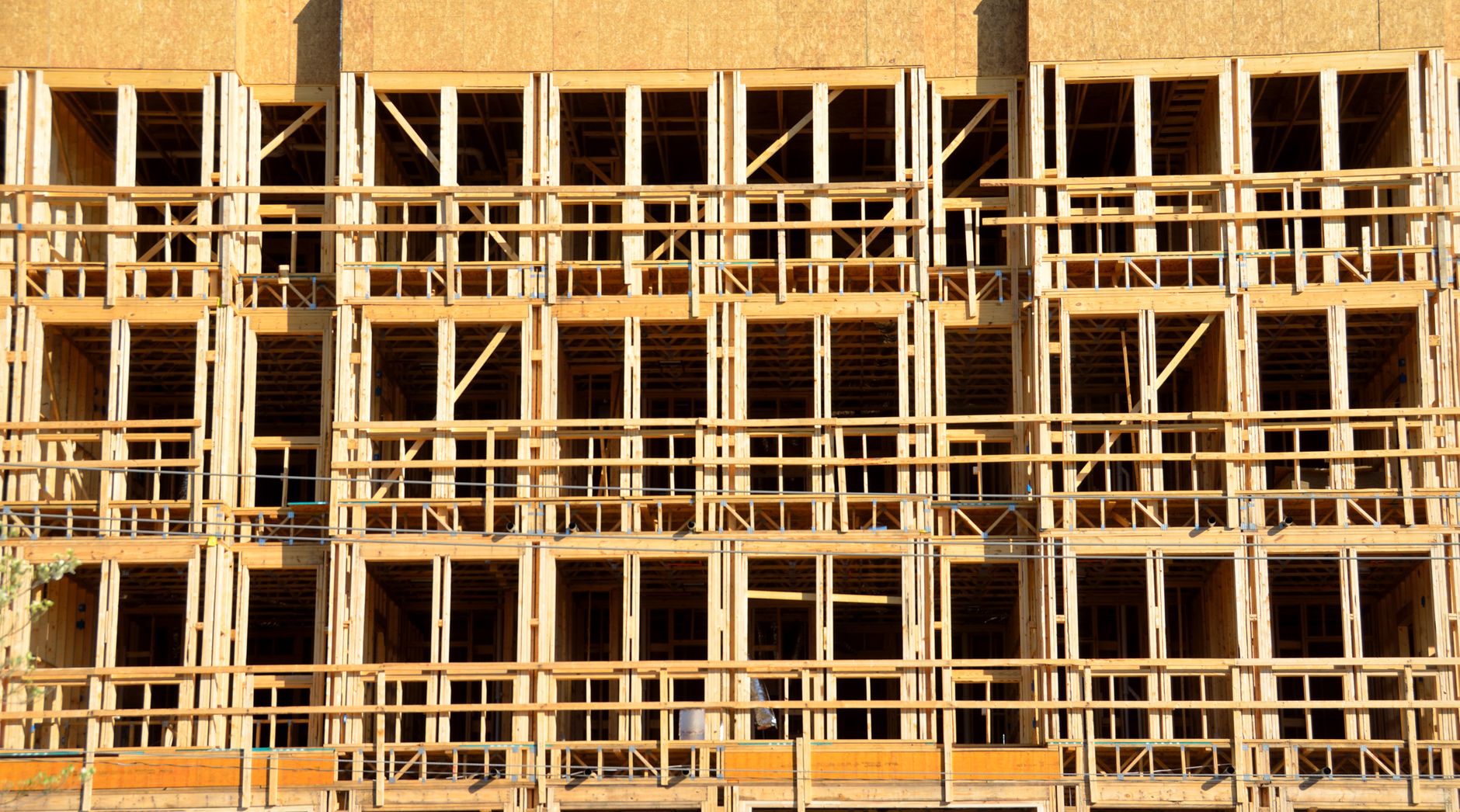
The investigation into the cause of the collapse is ongoing, but initial reports suggest that a combination of factors may have contributed to the disaster. These include poor construction practices, inadequate safety measures, and possible design flaws. The building's structure and foundation may have been compromised, leading to a catastrophic failure. It is essential to determine the root cause of the collapse to prevent similar incidents in the future.
The Importance of Safety Protocols

Safety protocols are crucial in construction projects to prevent accidents and ensure the well-being of workers. These protocols include regular inspections, training programs, and the use of personal protective equipment (PPE). However, in many cases, these protocols are not strictly enforced, leading to a culture of complacency and neglect. The collapse of the 9-story building in the Philippines is a stark reminder of the consequences of neglecting safety protocols.
According to the International Labor Organization (ILO), the construction industry is one of the most hazardous sectors in the world, with a high rate of work-related injuries and fatalities. In the Philippines, the construction industry accounts for approximately 20% of all work-related accidents. The ILO recommends that construction companies implement robust safety management systems, including regular risk assessments, training programs, and emergency preparedness plans.

A comparison of safety standards in the Philippines with those in other countries reveals a significant gap. In countries such as Singapore and Australia, safety protocols are strictly enforced, and construction companies are held accountable for any lapses. For example, in Singapore, construction companies are required to conduct regular safety audits and implement measures to prevent falls from height. In contrast, the Philippines has a more relaxed approach to safety enforcement, which may contribute to the high rate of construction-related accidents.
The Role of Government Agencies
Government agencies play a critical role in ensuring that construction companies comply with safety protocols. The DOLE and the OSHC are responsible for monitoring and enforcing safety standards in the construction industry. However, these agencies often face challenges in performing their duties effectively. Limited resources, inadequate manpower, and corruption are some of the factors that hinder the effective enforcement of safety protocols.
Ensuring accountability is essential in preventing construction-related accidents. Construction companies must be held responsible for any lapses in safety protocols, and government agencies must take enforcement action against companies that fail to comply. The public also has a role to play in demanding greater accountability and transparency from construction companies and government agencies.
For example, in the aftermath of the collapse, the Philippine government announced plans to conduct a nationwide inspection of construction sites to identify potential safety hazards. This move is a step in the right direction, but more needs to be done to address the systemic issues that contribute to construction-related accidents. The government must also increase funding for safety inspections and enforcement, and provide training and resources for safety inspectors.
The Human Cost of the Collapse
The collapse of the 9-story building has had a devastating impact on the families of the missing workers. The incident has also raised concerns about the welfare of workers in the construction industry. Many workers in the industry are migrants from rural areas who are desperate for work and are willing to accept hazardous conditions in order to support their families.
The families of the missing workers deserve support and compensation for their loss. The government and construction companies must take responsibility for providing assistance to the families, including financial support and counseling. The incident has also highlighted the need for better working conditions and greater protection for workers in the construction industry.
For example, the Philippine government has established a fund to provide financial assistance to the families of the missing workers. However, more needs to be done to address the long-term needs of the families, including providing access to education and job training programs. The government must also work with construction companies to implement measures to prevent similar incidents in the future, such as providing regular safety training for workers and conducting regular inspections of construction sites.
Conclusion and Next Steps
The collapse of the 9-story building in the Philippines is a tragedy that could have been prevented. It is essential to learn from this incident and take steps to prevent similar disasters in the future. The government, construction companies, and the public must work together to prioritize safety protocols and ensure that workers are protected.
#
❓ Frequently Asked Questions

Comments
Post a Comment